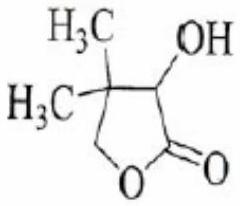
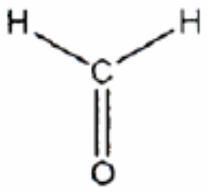
Two aliphatic aldehydes P and Q react in the presence of aqueous K2CO3 to give compound R, which upon treatment with HCN provides compound S. On acidification and heating, S gives the product shown below :
The compounds P and Q respectively are
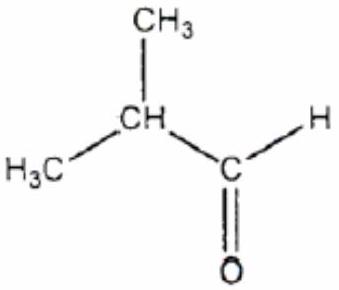
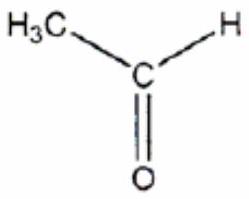
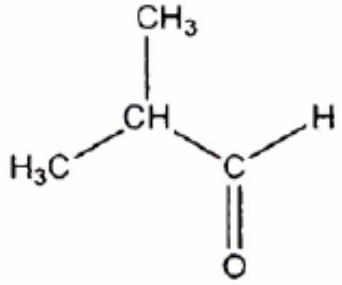
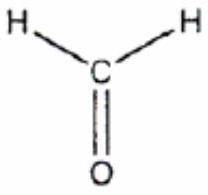
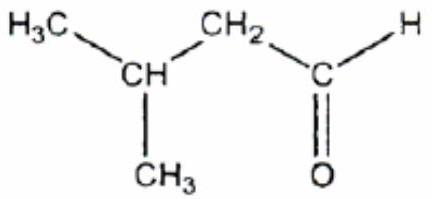
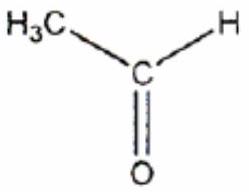
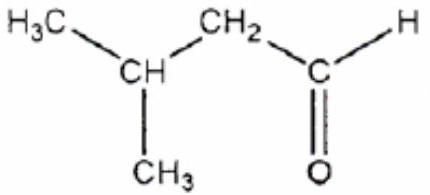
(A)(see structure) and (see structure)AB
(B)(see structure) and (see structure)AB✓ Correct
(C)(see structure) and (see structure)AB
(D)(see structure) and (see structure)AB
Answer: (B)
Solution
Working backward from the final lactone product (a γ-lactone with two methyl groups), the precursor S must be a cyanohydrin that cyclizes. R is an aldol condensation product. For the aldol reaction to give a product with gem-dimethyl groups, P must be isobutyraldehyde (CH₃)₂CHCHO and Q must be formaldehyde HCHO. The aldol product R = (CH₃)₂C(OH)CHO, which adds HCN to give S = (CH₃)₂C(OH)CH(OH)CN, and this cyclizes on heating to the observed lactone.
JEE Advanced · 2010 · 11 Apr 2010 · Paper 2 · Single correct option