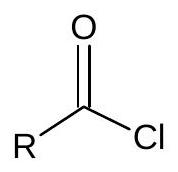
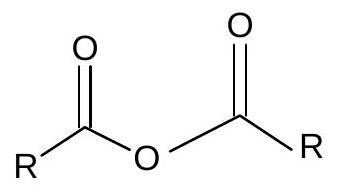
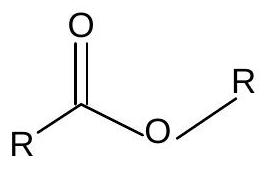
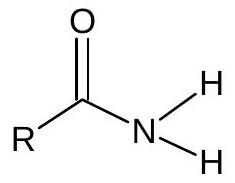
The correct order of their reactivity towards hydrolysis at room temperature is:abcd
(A)(d) > (b) > (a) > (c)
(B)(d) > (a) > (b) > (c)
(C)(a) > (c) > (b) > (d)
(D)(a) > (b) > (c) > (d)✓ Correct
Answer: (D)
Solution
Hydrolysis of an acyl derivative starts with addition of water to the carbonyl carbon and ends with expulsion of the group attached to it, so the derivative reacts faster the better that group leaves and the less the carbonyl carbon is stabilised by donation from it. Chloride is the weakest base of the four leaving groups and the chlorine lone pair overlaps poorly with the carbonyl π system, so the acid chloride is fastest. In the anhydride the bridging oxygen must share one lone pair between two carbonyl groups, which leaves each carbon more electrophilic than the carbon of an ester, whose alkoxy oxygen feeds one carbonyl alone. The amide is slowest because nitrogen donates its lone pair most strongly into the carbonyl and the amide ion is the worst leaving group. The order of reactivity is acid chloride, then anhydride, then ester, then amide.
JEE Main · 2021 · 20 Jul 2021 · Shift 2 · Single correct option