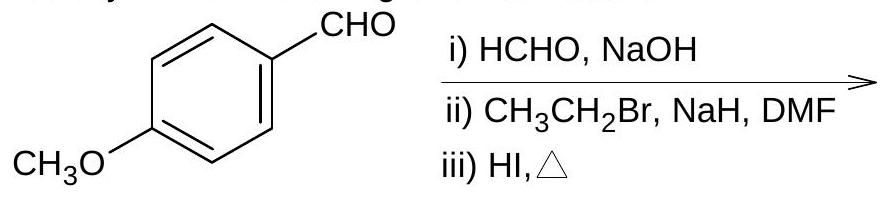
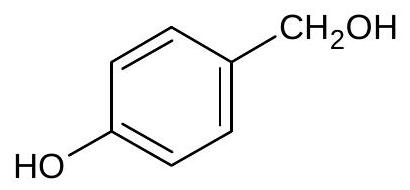
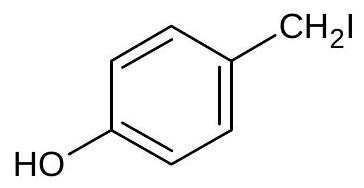
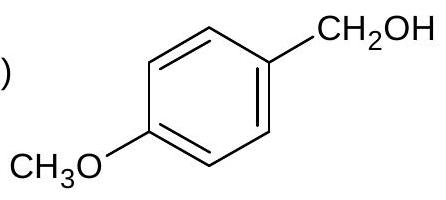
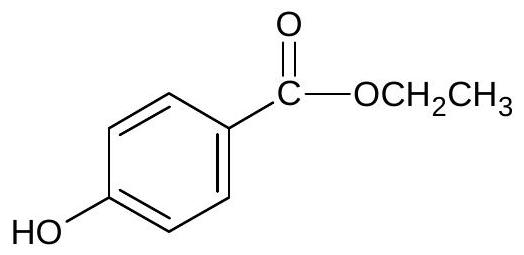
4-Methoxybenzaldehyde has no α hydrogen, so with formaldehyde and NaOH it undergoes a crossed Cannizzaro reaction in which formaldehyde is oxidised to formate and the aromatic aldehyde is reduced, giving 4-methoxybenzyl alcohol. Sodium hydride then removes the hydroxyl proton and the alkoxide is ethylated by ethyl bromide, a Williamson synthesis that gives the benzyl ethyl ether. Hot hydroiodic acid cleaves both ether linkages. The aryl methyl ether is attacked at the methyl carbon, releasing the free phenol, while the benzylic ether is cleaved at the benzylic carbon, which carries the more stable carbocation, so iodide ends up on that CH2 group. The product is 4-(iodomethyl)phenol, a phenol with a CH2I group para to the hydroxyl.
JEE Main · 2021 · 26 Feb 2021 · Shift 2 · Single correct option