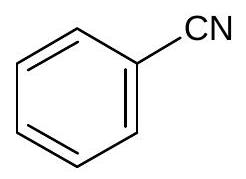
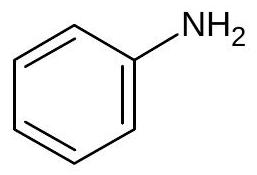
(C)(see structure with reagents: i) NH₃, NaOH ii) Br₂, NaOH)AB
(D)(see structure with reagents: i) KOH, H₂O ii) Br₂, NaOH)AB
Answer: (B)
Solution
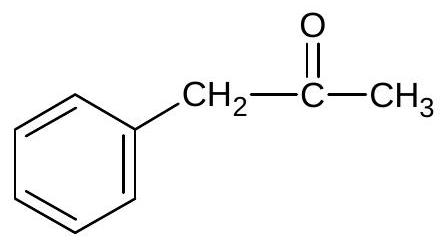
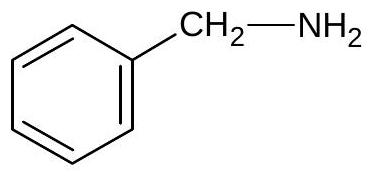
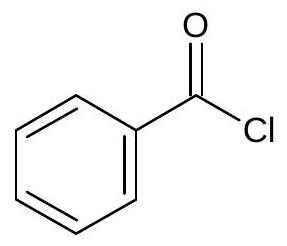
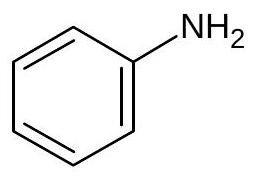
Hofmann bromamide degradation acts on a primary amide: Br2 in aqueous NaOH converts RCONH2 into RNH2, an amine with one carbon fewer. Phenylacetamide with Br2/NaOH gives benzylamine directly by this route. Benzoyl chloride first takes up ammonia to give benzamide, and benzonitrile is partially hydrolysed by aqueous KOH to the same benzamide; each is then carried to aniline by Br2/NaOH, so both sequences use the degradation as well. In the remaining sequence the substrate is 1-phenylpropan-2-one, a methyl ketone. Here Br2/NaOH brings about the haloform reaction, which cleaves the methyl group and yields phenylacetic acid on acidification; ammonia and heat convert the acid to its amide, and LiAlH4 reduces that amide to the amine without any loss of carbon. No amide ever meets Br2/NaOH in this route. The sequence that starts from 1-phenylpropan-2-one does not involve Hofmann bromamide degradation.
JEE Main · 2021 · 16 Mar 2021 · Shift 1 · Single correct option